29 de September de 2026
A kitchen in the middle of the street to learn how to reduce food waste
Every decision counts when it comes to reducing food waste. Preserving food better, planning purchases or making the most of products that are still in good condition are small actions that can make a difference in our daily lives.
With this aim, Science for Change is participating in the European project ToNoWaste, promoted by València Innovation Capital, bringing citizens tools and participatory experiences to explore new ways of preventing food waste.
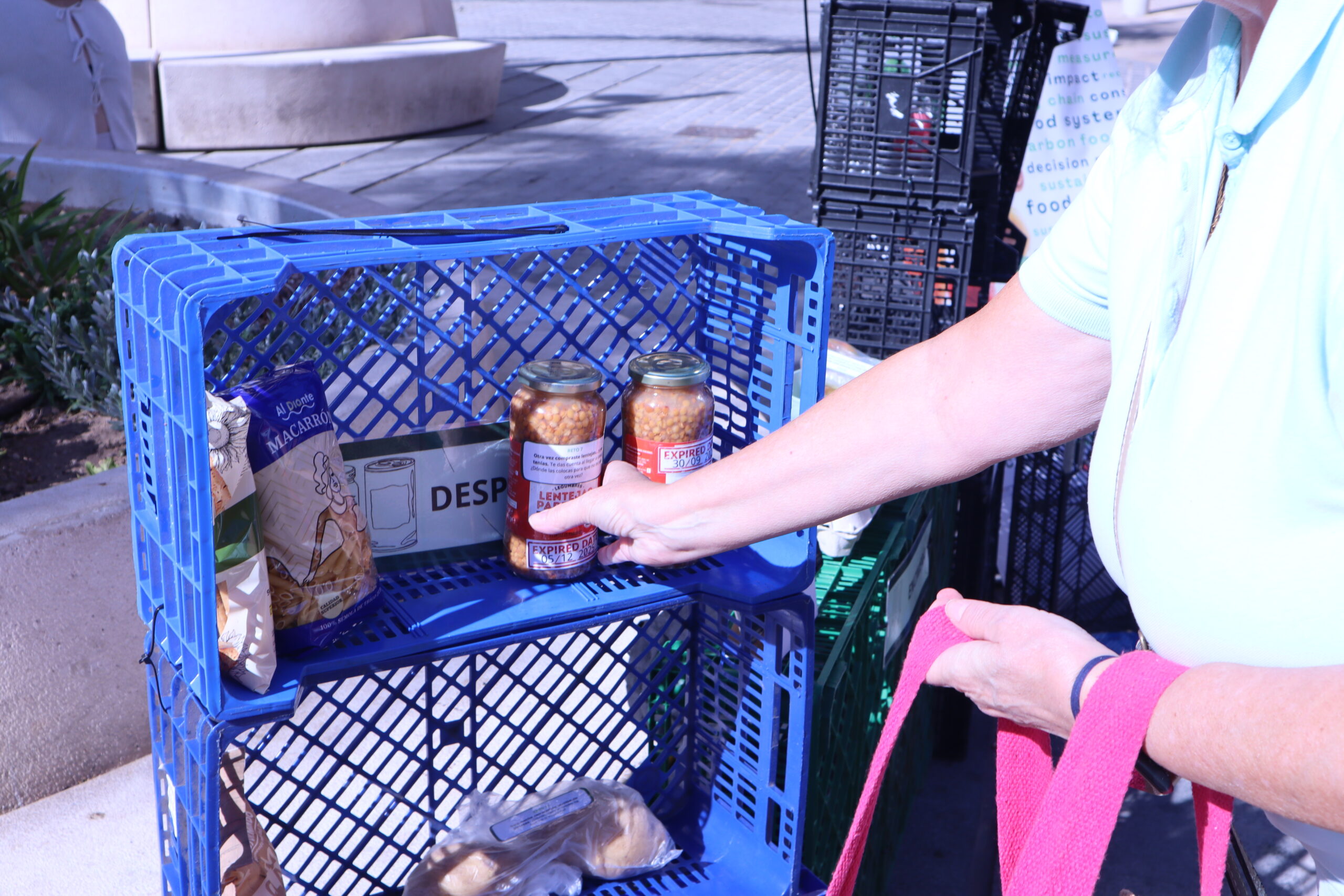
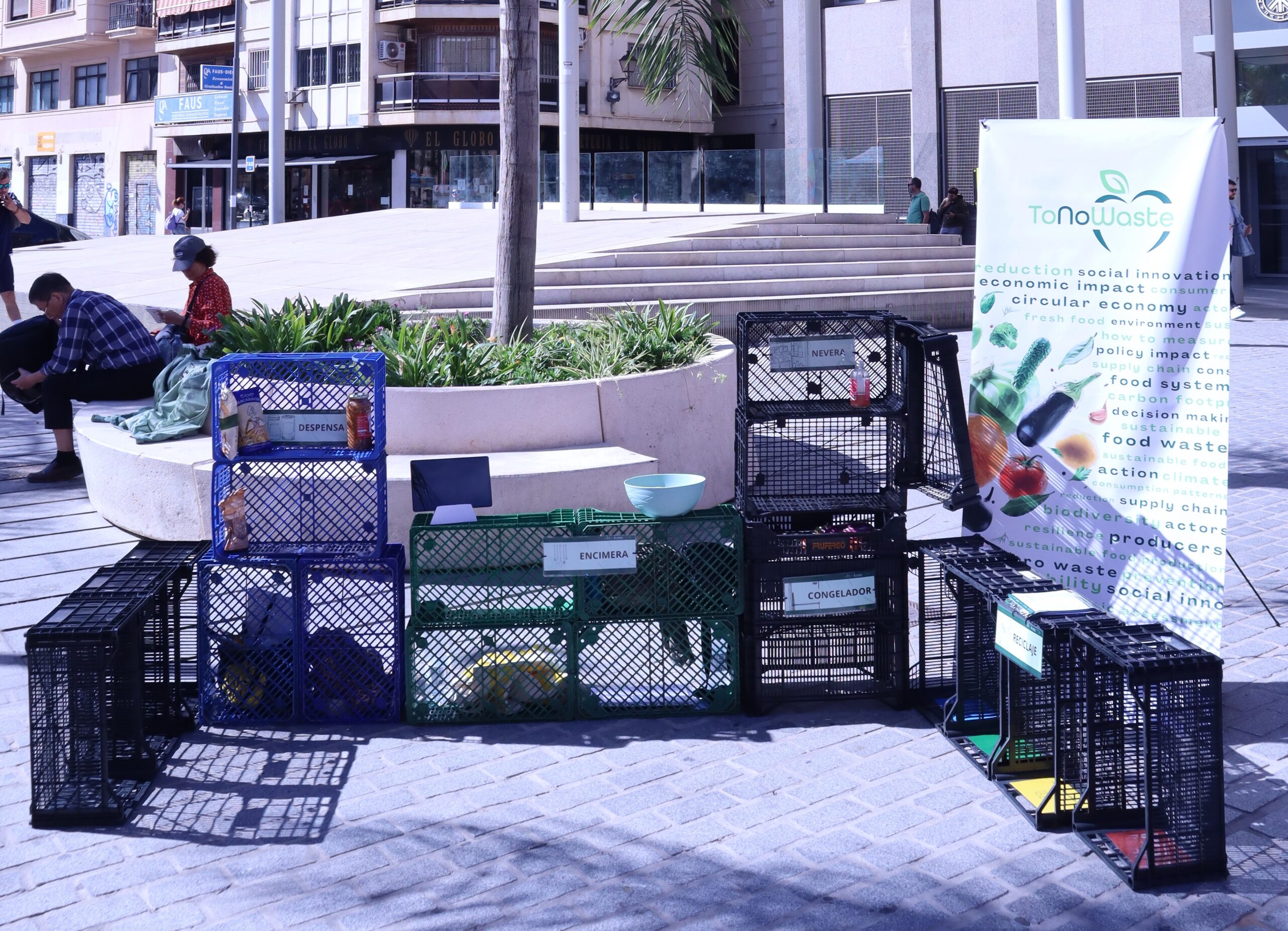
On this 29 September, International Day of Awareness of Food Loss and Waste, we want to highlight one of the actions developed within this project: two participatory Street Marketing sessions carried out in 2025. During these sessions, we brought a fictional kitchen into the street, transformed into an interactive game where participants learned, in a dynamic and fun way, how to better preserve food and reduce waste.
Where would you store each food item so it lasts longer?
With a shopping basket full of everyday products, participants took on a challenge in the form of a game: deciding, within a limited time, the most appropriate place to store each food item, whether in the fridge, freezer, pantry or other areas of the kitchen.
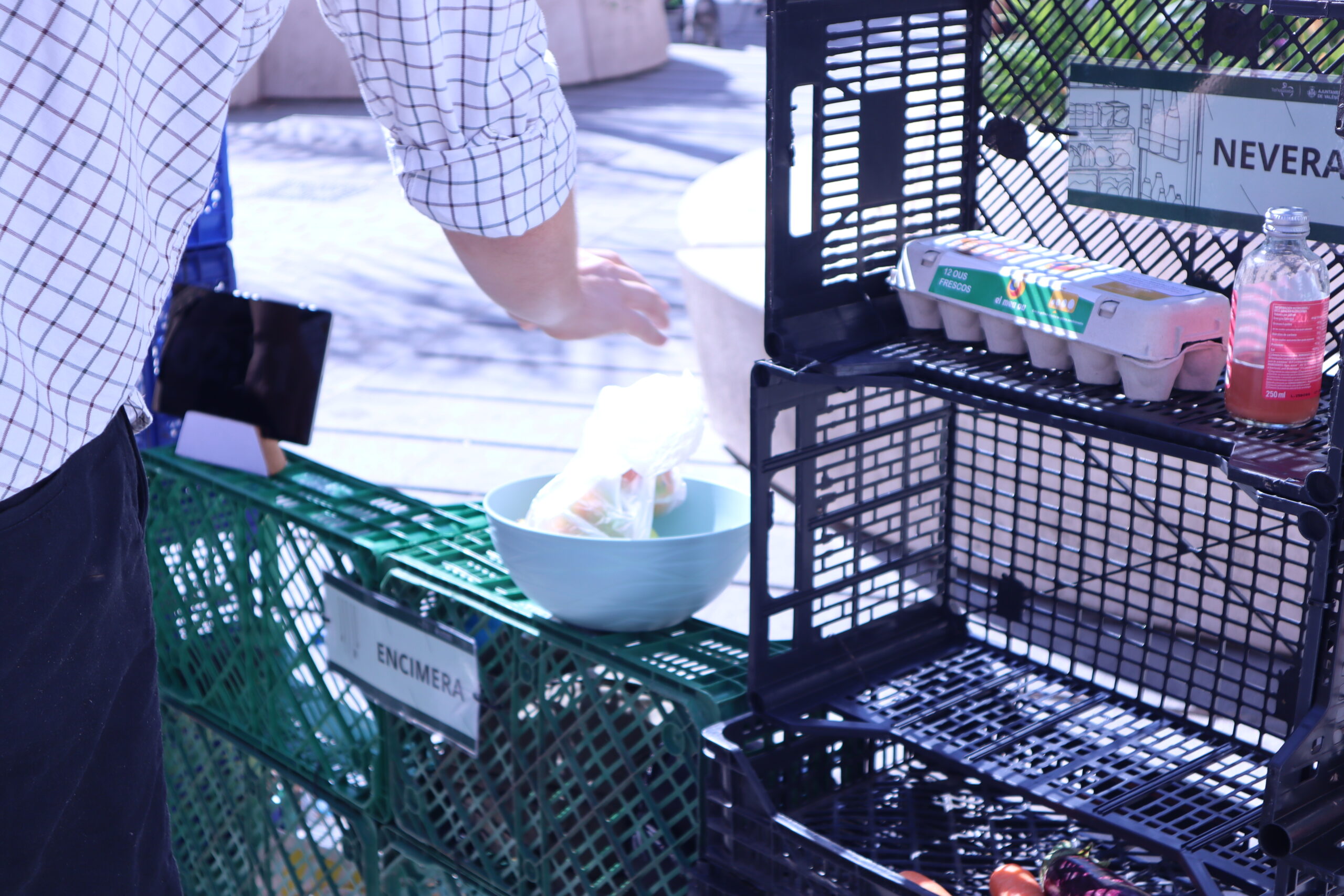
Beyond finding the correct answer, the activity aimed to encourage reflection on our everyday habits and show how simple decisions, such as storing food properly, can help us extend its shelf life and reduce waste at home.
At the end of the game, we shared practical tips and handed out a magnet featuring 10 good practices to prevent food waste to help incorporate these learnings into everyday life. This material is available for download here (content available in Spanish).
A game that can be replicated in other spaces
The experience developed in the street led to the DIY Toolkit “Create your own game against food waste at home”, an educational resource developed by València Innovation Capital in collaboration with Science for Change that allows this activity to be replicated in homes, educational centres, social organisations or other spaces for participation.
On the occasion of the International Day of Awareness of Food Loss and Waste, we want to share this resource with citizens and invite more people and organisations to discover, through play, how small changes in our habits can contribute to reducing food waste. To put it into practice, the DIY Toolkit can be downloaded here (content available in Spanish).
Science and citizen participation to drive real change
The ToNoWaste project works to prevent and reduce food waste through innovation and collaboration among the different stakeholders within the food system.
València Innovation Capital highlights the contribution of Science for Change to the development of these actions:

The European project ToNoWaste works to reduce food waste through innovation, citizen participation and collaboration between public administrations, social organisations, companies and knowledge centres. Within this framework, Science for Change has contributed to the project by bringing its expertise in social research, citizen participation and the design of evidence-based strategies to prevent and reduce food waste. Through its involvement, it has supported the development of participatory processes with citizens, professionals and organisations within the food system, as well as the design of awareness-raising actions and practical tools aimed at promoting real changes in consumption habits.
València Innovation Capital
Throughout the project, Science For Change has contributed to the design and facilitation of workshops, behavioural studies and direct interaction activities with citizens, transforming scientific knowledge into practical proposals to address food waste.
This initiative shows that science can take to the streets and become an accessible tool to drive real change. Through play and participation, citizens can discover that small everyday actions contribute to moving towards a more sustainable food system. It is a way of bringing scientific knowledge closer to society that reflects the mission of Science For Change: transforming science into useful tools to address today’s social and environmental challenges.
By Malena Bezares - Co-design Specialist and Product Designer → More information
Compartir en